
 English
 Español
 Portugues
 Pусский
 Français
 Deutsch
 日本語
日本語 한국어
한국어 العربية
 Italiano
 Nederlands
 Ελληνικά
 Svenska
 Polski
 ไทย
ไทย Türk dili
 हिन्दी
 Indonesia
 Melayu
 Tiếng Việt
 Magyar
 қазақ
қазақ বাংলা
বাংলা עִברִית
 čeština
 Soomaali
 မြန်မာ
 فارسی
فارسی українська
 norsk
norsk Gaeilge
 беларускі
 Română
 ພາສາລາວ
 Filipino
 lietuvių
 Suomalainen
 slovenský
 اردو
اردو հայերեն
 Igbo
Igbo български
 سنڌي
سنڌي Hrvatski
 galego
 català
 basa jawa
 Кыргызча
 тоҷикӣ
 Србија
 Hawaii
 latvija
 slovenija
 ਪੰਜਾਬ
ਪੰਜਾਬ bosna
bosna Монгол
 Azərbaycan
 Malta
Malta ខ្មែរ
ខ្មែរ 中文(繁体)
 Afrikaans
 Sango
Sango मैथिली
 Татар
Татар Fiji
Fiji Dinka
Dinka
Cardboard box design
Cardboard Box Design: Functionality, Sustainability, and Innovation Cardboard boxes are ubiquitous in modern logistics, packaging, and storage, serving as essential tools for transporting goods safely and efficiently. Their design balances durability, cost-effectiveness, and environmental sustainability, making them a cornerstone of supply chains worldwide. 1. Structural Integrity and Functionality The primary purpose of a cardboard box is to protect its contents during transit. Design considerations include: - Material Selection: Corrugated cardboard, composed of fluted sheets sandwiched between linerboards, provides cushioning and strength. Single, double, or triple-wall constructions are chosen based on load requirements. - Box Style: Common designs include regular slotted containers (RSC), die-cut boxes for custom shapes, and telescopic boxes for adjustable depths. - Load-Bearing Capacity: Box dimensions, flute type (e.g., B-flute for rigidity, E-flute for lightweight items), and reinforcements (e.g., edge protectors) ensure stability under stacking or rough handling. 2. Sustainability and Eco-Friendliness Cardboard is prized for its recyclability and biodegradability. Sustainable design practices include: - Recycled Content: Many boxes incorporate post-consumer waste, reducing reliance on virgin materials. - Minimalist Design: Reducing ink usage or opting for water-based prints lowers environmental impact. - Reusability: Boxes designed for multiple uses (e.g., collapsible designs) extend their lifecycle. 3. Customization and Branding While avoiding corporate branding, cardboard boxes can be tailored for specific needs: - Printing Techniques: Flexographic or digital printing allows for logos, handling instructions, or aesthetic patterns. - Functional Add-Ons: Perforations for easy opening, handles for portability, or interlocking tabs for assembly without tape enhance usability. 4. Innovation in Design Advancements focus on improving performance and sustainability: - Smart Packaging: QR codes or RFID tags can track shipments or provide product information. - Biodegradable Coatings: Water-resistant or antimicrobial treatments derived from plant-based materials are emerging. - Space Optimization: Nestable or fold-flat designs reduce storage and shipping costs. Conclusion Cardboard box design is a blend of engineering and environmental stewardship. By prioritizing strength, recyclability, and adaptability, these humble containers meet diverse logistical demands while aligning with global sustainability goals. Future innovations will likely further optimize their role in a circular economy.
hua
whakarōpūtanga:
-
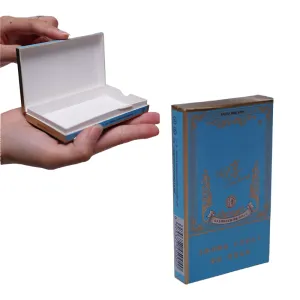
ξ Ao x i ahau te hikareti
kāwai: Cigarette boxNga tirohanga: 979tau rangatū:wā tuku: 2025-09-26 14:22:26I roto i te whakahiato o nga hua tupeka, ko te kakano kaore i te rite ki te kakahu o waho o te hua, engari hei karere puku mo te wairua o te waitohu me te taera. Tenei "Xiaoohikoxiang" Ka whakaatu i te hikareti i tenei kaupapa. Ko te whakawhiti i te taapiri, ka whakamahia e ia nga tikanga taapiri me te reo hoahoa ki te waihanga i te ahua o te huatau me te hohonu, hopu tonu i te aro o nga kaihoko. Ko te waahanga tino whakanui i tenei kohinga ko tona tikanga taarua motuhake. Ko te whakamahinga o te manawa o te manawa hihiri ki te mea ka puta ke he papa papatahi. I te wa e ata haere ana nga maihao ki te mata o te pouaka, ko te kakano maamaa o nga tauira kua whakaarahia ake ka tino paahitia. Ko tenei tikanga ehara i te mea ka whakarei ake i te hohonu e toru-rahi engari kei te tuku i te wheako whakahoahoa, te rawhiiro i te wa e whai hua ana te hua o te hua. Ko te whakakii i te hangarau hiraka-mata te hangarau hukarere-mata. Ko tenei mahinga ka hangaia he maamaa, he mea tino pai ki te heke o te hukarere o te takurua. I tua atu i tona piiratanga tirohanga, ka tukuna e ia nga painga o te maihao me nga taonga-a-ringa-tohu-whakarite-whakarite kia mau tonu te hua i roto i te tohatoha. I roto i nga hakihaki tae, ko te "XiaoHuixiang" te whakamahi i te hohonu, te puru kahurangi hei hue tuatahi. Ehara tenei kikorangi i te hakinakina hihiri engari he indimo iti-ngoikore ranei te puru Sapphire kikorangi ranei, e mau ana i te huatau. Te raru o te manawa o te rangi po, te hohonu ranei o te moana, e tuku ana i te reo e tiimata ana, te tikanga, me te ngawari. Ki te wawahi i te manawa o te puru hohonu, ka aukati i te Motony, ka whakauruhia e te kaihoahoa te tohu koura. Ko tenei koura kaore i te pupuhi engari na roto i nga raarangi me nga tohu nui, penei i nga whetu whanui i te rangi po, ka whakamarama tonu i nga hanganga katoa. Ko te takirua o te puru me te koura epimizes ataahua. I tawhiti atu i te patipati, ka hangaia e te huringa haangai, te waihanga i te taiao tirohanga ataahua e tino whakanuia ana te kakano o te kakano. Ko te hoahoa whakairoiro a te pouaka e whakaatu ana i te tino mohio. Ko nga tauira me te huringa e pa ana ki te tahora me te whakaaro. Ko te ingoa waitohu "XiaoHuixiang" me etahi atu korero tuhinga korero i te pokapū whakaata, ka karapotia e nga tauira koura maeneene, e rere ana nga tauira koura. Ko enei nekehanga, ka akiakihia e te panui panui tuku iho ranei te hoahoa-a-karamu, nga raina rongoa e rite ana ki nga tohu koura e rite ana ki te tiaki i nga taonga nui. Ko enei "whetu e karapoti ana i te Maramatanga" kaore e pai ake te whakarei ake i te whakakitenga me te whakapaipai i te tirohanga a te kaihoko ki te waitohu. Na, ko te hua o tenei ra, ko te toenga o nga taonga e whakaatu ana i te whakaaturanga toi me te whakatutukitanga o te ture. Ko nga korero mo nga korero-a-roto, nga tohu tohu, me nga whakatupatotanga hauora - he mea tuhi ma te taha o muri ranei o te pouaka. Ko enei waahanga ka whakatakotoria, he pai hoki, me nga whiringa momotuhi e rite ana ki te ahua katoa, ki te tiaki i te pono o te hoahoa. Ko ta ratau noho hei whakamaharatanga mo tenei he mea pakeke tenei i whanau mai i raro i nga ture tino - he mea tino pai o te mahi toi me te mahi toi. Hei whakarāpopototanga, ko te "XiaoHuixiang" Ka tutuki te kakano hikareti ahurei me te tirohanga ma te whakamahi i nga tikanga taapiri-mata-mata. Ko te kaupapa tae kikorangi-a-koura-koura ka whakapumautia he aura o te ataahua ataahua. I hoahoatia e nga miihini pua puawai me nga korero taipitopito paerewa, ka tutuki i te kounga o te kohinga moni e akiaki ana i te kounga moni, ka whakaputa i te uara waitohu me te hau. Ko te whakaatu marie i runga i te counter, ko te mea he mahi mohio mo te toi e korero ana mo ia ano. -
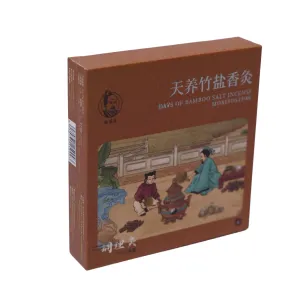
Tianyang Bamboo Salt Aromatherapy Moxibustion Packaging Box
kāwai: Cigarette boxNga tirohanga: 957tau rangatū:wā tuku: 2025-09-27 17:14:40This packaging box for the “Tianyang Bamboo Salt Aromatherapy Moxibustion” is a visual and tactile work of art that seamlessly blends rustic natural beauty, traditional wisdom narratives, and modern design language. It is not merely a container for the product but a gateway to ancient wellness philosophy. Through the meticulous arrangement of materials, colors, patterns, and craftsmanship, it creates an atmosphere of tranquility, trustworthiness, and cultural depth even before opening. The box adopts a clean rectangular form, its geometric simplicity conveying stability and reliability. Its most striking feature lies in the subdued brown palette—not a vibrant hue from an artificial color chart, but a shade closer to the earth, soil, or weathered wood. It instantly evokes associations with nature, primal origins, and ancient traditions—rustic yet unassuming. This color choice is profoundly thoughtful, skillfully avoiding the coldness of modern industry while conveying a reliability rooted in the earth and tested by time. It aligns perfectly with the intrinsic qualities of “Bamboo Salt Aromatherapy Moxibustion,” a traditional wellness product, as if silently declaring: the product itself is a gift from nature and ancient wisdom. The key to achieving this unique texture lies in the specialty paper used for the packaging box. This material far surpasses ordinary cardstock, featuring subtle plant fiber textures or gentle tactile patterns on its surface. To the touch, it offers a warm, skin-friendly resistance—like caressing the cover of an ancient book or an unpolished natural stone. Specialty paper also absorbs and renders colors with greater softness and depth, making browns appear richer and more subdued, further reinforcing the overall impression of “rustic simplicity.” It serves not only as a visual medium but also as a tactile feast, significantly enhancing the packaging's physical texture and approachability. The decorative process for the packaging box centers on silver foil stamping. This technique is likely applied to the brand name, logo, or border lines. Unlike gold's dazzling brilliance, silver exudes a cool, elegant, and inherently luminous quality. Against the steady brown backdrop, the silver glow remains understated—like moonlight gently spilling across the earth—infusing the rustic tone with a touch of refined, modern sophistication. This pairing preserves traditional charm while avoiding datedness, highlighting the brand's respect for heritage alongside its commitment to contemporary aesthetics. The brand identification area on the left side of the box features a portrait design. This is not arbitrary decoration but likely depicts an ancient physician or sage who made significant contributions to bamboo salt moxibustion. Executed in an archaic yet expressive style, the portrait captures the subject's character and wisdom with just a few strokes. This element imbues the product with profound cultural depth and authority, anchoring the brand in historical roots and suggesting a lineage of craftsmanship that is both orderly and enduring—far from being a rootless innovation. The central full-color illustration depicting an ancient lifestyle scene forms the narrative core of the packaging. Exquisitely detailed, it portrays figures engaged in the preparation or use of bamboo salt moxibustion around specific tools. The subjects appear focused and serene, surrounded by rustic implements, while elements like courtyards and plants in the background sketch a tranquil, harmonious tableau of ancient living. This illustration transcends mere decoration, successfully transforming abstract traditional wellness culture into a tangible, perceptible visual narrative. Like a page from an unfolding historical scroll, it vividly reveals the product's ancient origins and application context to consumers. This significantly enhances the packaging's storytelling and cultural resonance, allowing consumers to instantly form an emotional connection—a dialogue with ancient wisdom—upon use. In summary, the packaging for “Tianyang Bamboo Salt Aromatherapy Moxibustion” elevates product presentation to a cultural experience through its subdued brown tones, textured specialty paper, elegant silver foil stamping, authoritative historical portraits, and narrative scene illustrations. It not only visually evokes trust in tradition and authenticity but also immerses consumers in a wellness atmosphere—blending nature, heritage, and wisdom—through tactile refinement and vivid narrative patterns before the box is even opened. This perfectly embodies the profound meaning of “Heavenly Nurturing.”
rongo
whakarōpūtanga:
Kaore ano he hua rapu!
te take
whakarōpūtanga:
Kaore ano he hua rapu!
ataata
whakarōpūtanga:
Kaore ano he hua rapu!
tango
whakarōpūtanga:
Kaore ano he hua rapu!
kimi mahi
whakarōpūtanga:
Kaore ano he hua rapu!
Hua Manakohia
Kaore ano he hua rapu!



 Waea
Waea