
 English
 Español
 Portugues
 Pусский
 Français
 Deutsch
 日本語
日本語 한국어
한국어 العربية
 Italiano
 Nederlands
 Ελληνικά
 Svenska
 Polski
 ไทย
ไทย Türk dili
 हिन्दी
 Indonesia
 Melayu
 Tiếng Việt
 Magyar
 қазақ
қазақ বাংলা
বাংলা עִברִית
 čeština
 Soomaali
 မြန်မာ
 فارسی
فارسی українська
 norsk
norsk Gaeilge
 беларускі
 Română
 ພາສາລາວ
 Filipino
 lietuvių
 Suomalainen
 slovenský
 اردو
اردو հայերեն
 Igbo
Igbo български
 سنڌي
سنڌي Hrvatski
 galego
 català
 basa jawa
 Кыргызча
 тоҷикӣ
 Србија
 Hawaii
 latvija
 slovenija
 ਪੰਜਾਬ
ਪੰਜਾਬ bosna
bosna Монгол
 Azərbaycan
 Malta
Malta ខ្មែរ
ខ្មែរ 中文(繁体)
 Afrikaans
 Sango
Sango मैथिली
 Татар
Татар Fiji
Fiji Dinka
Dinka
Custom tea packaging
Custom Tea Packaging: A Blend of Functionality and Aesthetics Custom tea packaging plays a pivotal role in the tea industry, serving as the first point of contact between the product and the consumer. Beyond mere functionality, it embodies brand identity, preserves product quality, and enhances the overall tea-drinking experience. In today’s competitive market, well-designed packaging can differentiate a product, attract attention, and convey a brand’s values—whether it’s sustainability, luxury, or tradition. 1. Design and Branding The visual appeal of tea packaging is crucial. Custom designs often incorporate unique colors, patterns, and typography that reflect the tea’s origin, flavor profile, or cultural heritage. For instance, floral motifs may evoke a delicate herbal blend, while minimalist designs might appeal to modern consumers seeking simplicity. Packaging can also tell a story—highlighting the tea’s journey from farm to cup, or emphasizing ethical sourcing practices. 2. Material Choices Sustainability is a growing priority, leading many brands to opt for eco-friendly materials like biodegradable paper, compostable pouches, or reusable tins. Custom packaging can balance aesthetics with environmental responsibility—using soy-based inks, recycled materials, or plantable seed paper for tags. For premium teas, materials like metal tins or wooden boxes add a tactile luxury that resonates with discerning customers. 3. Functionality and Preservation Tea is sensitive to light, moisture, and air, so packaging must ensure freshness. Custom solutions often include resealable pouches with foil liners, vacuum-sealed bags, or airtight containers. Portion control is another consideration—individual sachets, pyramid bags, or loose-leaf tins cater to different consumer preferences. Clear windows or labeling with brewing instructions enhance usability. 4. Customization for Target Audiences Packaging can be tailored to specific markets. Gift sets might feature elegant boxes with ribbons, while on-the-go consumers prefer lightweight, single-serve options. Seasonal editions (e.g., holiday-themed tins) create urgency and exclusivity. Interactive elements, like QR codes linking to brewing tutorials, add a modern touch. 5. Regulatory Compliance and Practicality Packaging must meet legal requirements, such as ingredient lists, certifications (organic, Fair Trade), and safety standards. Practical aspects—like stackability for retail shelves or ease of shipping—are equally important. Conclusion Custom tea packaging is an art that merges practicality with creativity. It protects the product, communicates brand ethos, and delights consumers, turning a simple beverage into a memorable experience. Whether through sustainable materials, innovative designs, or thoughtful functionality, exceptional packaging elevates tea from a commodity to a cherished ritual. (Word count: 500)
hua
whakarōpūtanga:
-
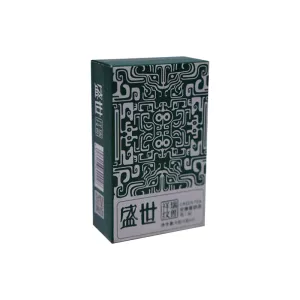
Ko te pouaka Taputapu Tohu Shengshi
kāwai: Tea boxNga tirohanga: 948tau rangatū:wā tuku: 2025-09-26 16:22:45Ko te pouaka "Shengshi" tea i mua i a matou ko te mahi mahi toi e haangai ana i nga mahi a te Hainamana me nga mahi toi. Ko tana momo tapawhara paerewa e akiaki ana i te rangatiratanga me te pumau, te whakaputa i te pono ki te tohu i te tino pai o te tiihi i roto me te kounga pumau. Ko te Hue tuatahi o te kohinga he hou, he huatau hou-kaua he emerald hihiri, engari he tino pai, he mahana, he atarangi tino pai o te kowhatu matomato ranei. Ko tenei tae ka huri i nga whakaahua o nga puku o te puna wawe i Jiangnan te kari, nga maunga-hipoki, ko te hue o te tiihi kohua parakore e kore e uaua ki te kapu. Ko tenei tae tuatahi kaore i te whakaatu tika i te waahanga matua o te "tiihi matomato" engari ka whakatauhia ano hoki nga tumanako o nga kaihoko, te koiora, me te reka. Te whakapaipai i te pouaka, nga tauira ma ma me te tuhinga e mahi ana hei tohu, ko te hanga i te tino uaua engari he rereke ke atu ki te backrop matomato. Ka rite ki te karaati o te Craladon, he kohu ranei i roto i nga awaawa maunga, ka pakaru enei huānga ki te monotony o te tae totoka, me te aroha o te koiora me te aroha noa. I runga i te tirotiro tata, ko te waahanga tino hopu ko te tauira whakahiato e karapoti ana i te pouaka. Ko enei tauira ka huri i te tukurua geometric maamaa, te pupuri i nga mahi toi me nga mahi toi tuku iho. Akene pea ka kukume mai i nga whakaahua mai i te akomanga "kararehe kararehe" pea ka rere te tohu tohu a Locrowwwwork, he tohu ranei nga tarakona paninga me nga kararehe hakihaki. Ko te raina tino pai engari ko te hanga i te whakahiato katoa, he mea totika totika me te ngongo rere. Ko nga waahanga hangai, i tukuna mai i te tikanga "Hiraka-mata hukarere", ka taea e tetahi kakano matte iti ki te pa o te huka. I raro i te marama, ka whakakahoretia e ratou he maamaa ngawari, hei whakapiki hohonu i te hohonu o te wa e tuku ana i tetahi wheako ngawari. I te wa ano, ko nga kaupapa matua, ko nga rohe ranei e kaha ana ki te whakanui i nga tikanga whakahiato. Ma tenei ka whakaara ake nga waahanga 'o nga tauira i runga ake i te mata, ko te hanga i te paanga e toru-te whanui. Ahakoa me te kati ka kati tetahi, ka mohio tetahi ki nga mea papai na roto i te pa, kia kaha ake te whakanui i te taonga nui o te kohinga me te tono whakawhitiwhiti. Ko te mua o te kohinga e whakaatu ana i te whakatakotoranga marama me te kore e pai ana. Ko te ingoa waitohu "Shengshi" (Era pai) e noho ana i te waahanga tirohanga, kaore ano i hangaia e nga rangatira Hainamana rongonui, e pupuri ana i te maia o te waitohu me te maatua o te whenua. Kei raro, ko te rerenga korero "Te kararehe patteptity" e whakaatu ana i te hiranga ahurea o te kaupapa whakapaipai, te akiaki i nga kaimakitaki ki te maioha ki nga tohu o muri o muri o nga tauira. I taua wa, ko te "Tauira matomato" tapanga me nga whakaritenga whakahekehanga kupenga i roto i te momo tika, ma te whakarite i nga korero hua i te wa e whai hua ana te mahi. Hei whakarāpopototanga, ko tenei "Whakapai ake" Te Tea Pakihi Ko te pouaka mahi a te hua me nga mahi toi-a-ahurea, me nga tikanga taapiri-a-tinana. Ehara i te mea ko ia anake te hopu i nga papa o te toa, engari ko ana korero taapiri e korero ana i nga taonga tuku iho o te tea te taonga me nga taonga ahurea o tea. Ko te hoahoa katoa o te hoahoa huatau, tino whakakao, me te tino whakahou me te tuunga o nga hua o te tii-mutunga me te whakatutuki i nga tumanako a nga kaihoko. -
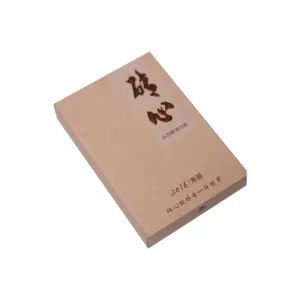
Brick Heart brand tea cake packaging box
kāwai: Tea boxNga tirohanga: 1153tau rangatū:wā tuku: 2025-09-27 10:14:44This “Brick Heart” brand tea cake packaging box stands as a masterpiece that seamlessly blends natural materials, traditional craftsmanship, and minimalist aesthetics. Eschewing elaborate decoration, it conveys the rich, unadorned character of aged white tea in its purest form. The overall material choice of light brown kraft paper demonstrates exceptional craftsmanship. This paper is not smooth and glossy but carries subtle natural fiber textures, offering a rough yet warm natural feel at first touch. Its light brown hue, reminiscent of time-weathered Xuan paper or earth, is understated yet inherently grounded and serene. This quality perfectly echoes the aged elegance of Lao Bai Cha, instantly immersing consumers in a tranquil, natural ambiance. Craftsmanship-wise, the packaging ingeniously employs both embossing and foil stamping techniques. The designer likely employed intricate embossing dies to imprint the subtle contours of tea leaf veins or geometric patterns symbolizing the brick's core onto the kraft paper surface, creating a faintly visible relief effect. Running a finger over it reveals distinct tactile ridges, where this sensory experience beyond sight significantly enhances the packaging's dimensionality and handcrafted warmth. Simultaneously, subtle foil stamping may adorn the brand logo or borders. This gold is not dazzling but rather a muted matte or antique bronze, softly shimmering on the rustic kraft paper like sunlight filtering through autumn leaves. It adds a touch of refinement and elegance without disrupting the overall serene atmosphere. The core message is conveyed through the transparent label atop the box. Crafted from crystal-clear material resembling thin ice, it perfectly preserves the natural texture of the kraft paper beneath without appearing jarring. Upon this label, the characters “Brick Heart” are printed in deep ink (jet black or dark brown), featuring a meticulously designed font. Rather than a rigid typeface, it features bold, calligraphic strokes—spontaneous yet structurally powerful, like an artisan's casual seal stamp. This vividly conveys the brand's dedicated and sincere “Brick Heart” spirit. Below, the line “Small Square Cake Old White Tea” uses a clear, legible font to directly and explicitly state the product's category and unique form. This layout prioritizes clarity, presenting essential information concisely without redundancy. The design language maintains a unified theme throughout: understated elegance, tranquility, and natural simplicity. The rustic kraft paper, tactile embossing, translucent label, and free-flowing typography collectively evoke a serene ambiance perfect for savoring tea. Rather than overshadowing the product, the design humbly elevates aged white tea as the protagonist. Even before opening the package, consumers can anticipate the tea's aged flavor and subtle philosophy through sight and touch—perfectly embodying the design wisdom that “less is more.”
rongo
whakarōpūtanga:
Kaore ano he hua rapu!
te take
whakarōpūtanga:
Kaore ano he hua rapu!
ataata
whakarōpūtanga:
Kaore ano he hua rapu!
tango
whakarōpūtanga:
Kaore ano he hua rapu!
kimi mahi
whakarōpūtanga:
Kaore ano he hua rapu!
Hua Manakohia
Kaore ano he hua rapu!



 Waea
Waea